
No products in the cart.
Mouse over to zoom in
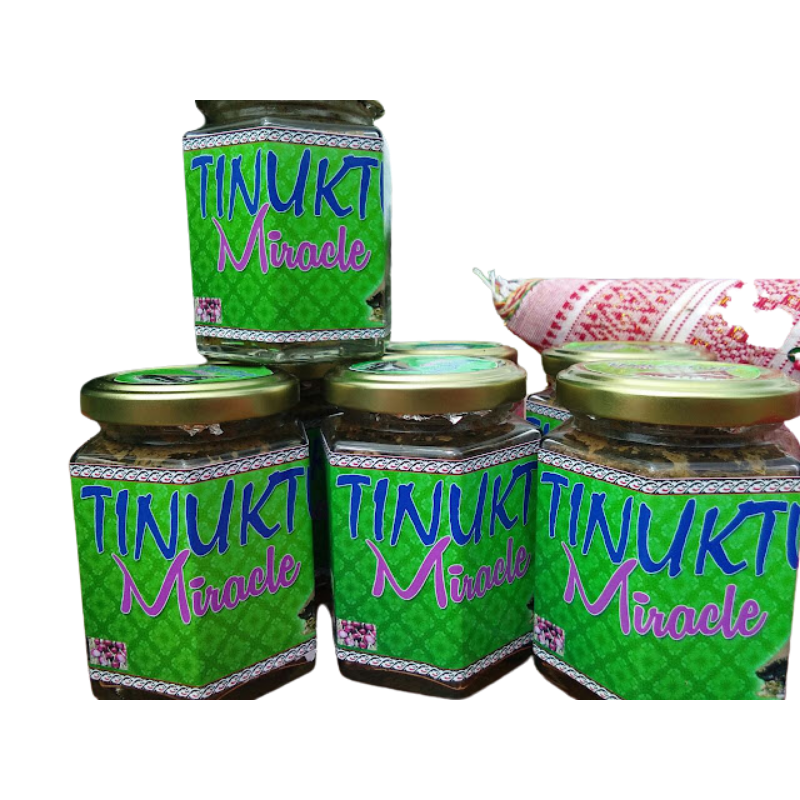
Sambal Tinuk – Traditional Simalungun Spiced Herbal Sambal
£5,00
In stock
Sambal Tinuk is a traditional spiced sambal from Simalungun, North Sumatra, made from red ginger, kencur, candlenut, andaliman, and selected aromatic ingredients. Known for its thick paste texture and warming flavour, it is commonly served as a condiment alongside everyday Indonesian dishes.
Traditional Sambal from Simalungun, North Sumatra
Sambal Tinuk, also known as Sambal Tinuktuk, is a distinctive traditional sambal originating from the Simalungun region of North Sumatra, Indonesia. Unlike other sambal varieties that focus primarily on chilli heat, this regional speciality highlights a blend of aromatic rhizomes and spices, resulting in a uniquely warming and fragrant condiment.
The name “tinuktuk” refers to the traditional preparation method, meaning “pounded” or “ground”. The spices are typically roasted before being finely ground into a thick paste, creating a deep and complex flavour profile.
Distinctive Ingredients and Flavour Profile
Sambal Tinuk is made from a combination of carefully selected spices and herbs that reflect the culinary heritage of the Batak community. Its character comes from the balance between warmth, mild heat, subtle acidity, and aromatic intensity.
- Red ginger
- Kencur (aromatic ginger)
- Roasted candlenut
- Andaliman (Batak pepper)
- Asam sihala or incung fruit extract
- Salt
The texture is thick and paste-like, with a layered taste that combines gentle spiciness, warming notes from ginger and kencur, a slight tanginess, and the distinctive citrus-like sensation of andaliman.
Cultural and Culinary Significance
In Simalungun tradition, Sambal Tinuk is commonly served as a daily condiment, especially alongside steamed rice, boiled vegetables, or simple home-cooked dishes. It differs from Sambal Tuktuk from the Toba region, as it focuses more on rhizome-based spices rather than fish.
Traditionally, this sambal has also been associated with warming dishes in local communities, reflecting its strong spice base and aromatic qualities. Today, it is enjoyed more broadly as part of Indonesia’s diverse sambal culture, which includes hundreds of regional variations.
Serving Suggestions
- Serve in small portions as a condiment with warm rice.
- Pair with boiled or steamed vegetables.
- Complement grilled or fried dishes.
- Use sparingly to enhance soups or broths.
Due to its concentrated flavour, a small amount is usually sufficient to enhance a meal.
Storage Information
- Store in a cool, dry place before opening.
- Keep away from direct sunlight.
- Refrigerate after opening.
- Ensure the lid is tightly sealed after each use.
Frequently Asked Questions
What makes Sambal Tinuk different from other sambals?
It focuses on rhizome-based spices such as red ginger and kencur, combined with andaliman, rather than primarily on chilli heat.
Is Sambal Tinuk very spicy?
It has a warming and mildly spicy character, with more emphasis on aromatic spices than intense chilli heat.
How is it traditionally prepared?
The spices are typically roasted and then pounded into a fine paste, which is reflected in its thick texture.
How should it be served?
It is usually served in small portions as a condiment alongside rice and simple dishes.
Why Buy from Nastar Deans UK
- Authentic Indonesian pantry and specialty ingredients
- Careful quality control before dispatch
- Secure packaging for international shipping
- Reliable order processing and responsive support
- Clear and transparent product information
Nastar Deans UK is committed to supplying genuine Indonesian grocery products with careful handling and dependable international delivery service.
Reviews
There are no reviews yet.